
Dishwashers
Cloudy glassware can relate to water hardness or a worn spray arm. Standing water after a cycle often points to the drain filter or pump. A door that will not latch is usually mechanical rather than electrical.
Symptom guide
This guide describes common signs across five appliance types, purely for information. It is not a substitute for an in-person inspection, since many symptoms share several possible causes.
Washing machines
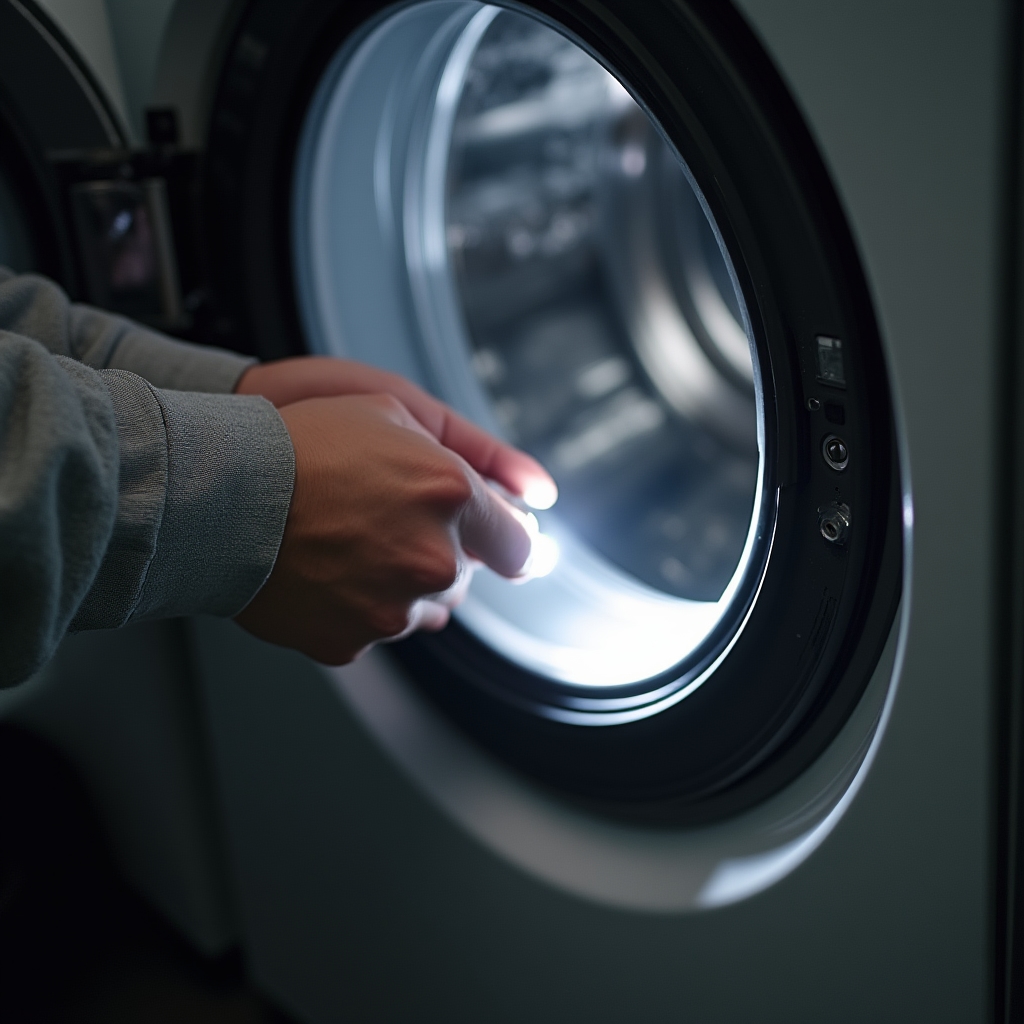
A loud grinding or squealing sound during the spin cycle can point to worn drum bearings, though it can also come from something caught between the drum and the outer tub. Water left standing at the end of a cycle is often linked to a blocked drain pump or filter, which is one of the more straightforward things to check on a home visit.
A musty smell after washing usually relates to detergent residue in the door seal or drawer rather than a mechanical fault, and is worth mentioning during a diagnostic visit even if the machine otherwise runs normally. Machines that stop mid-cycle without an error code sometimes point to a control board issue, which benefits from testing with the appliance connected as normal.
Cloudy glassware can relate to water hardness or a worn spray arm. Standing water after a cycle often points to the drain filter or pump. A door that will not latch is usually mechanical rather than electrical.
A warm interior with the compressor still audible can suggest a thermostat or airflow problem rather than a failed compressor. Frost building up quickly around the seal often means the door gasket needs attention.
Uneven browning across a tray can point to a failing heating element or fan. An oven that takes much longer than usual to reach temperature is worth checking before it stops heating altogether.
Clothes coming out hotter than expected, or cycles running much longer than before, can relate to a blocked vent or a failing thermostat. A burning smell should be treated as a reason to stop using the machine and arrange an inspection.
Why symptoms alone are not enough
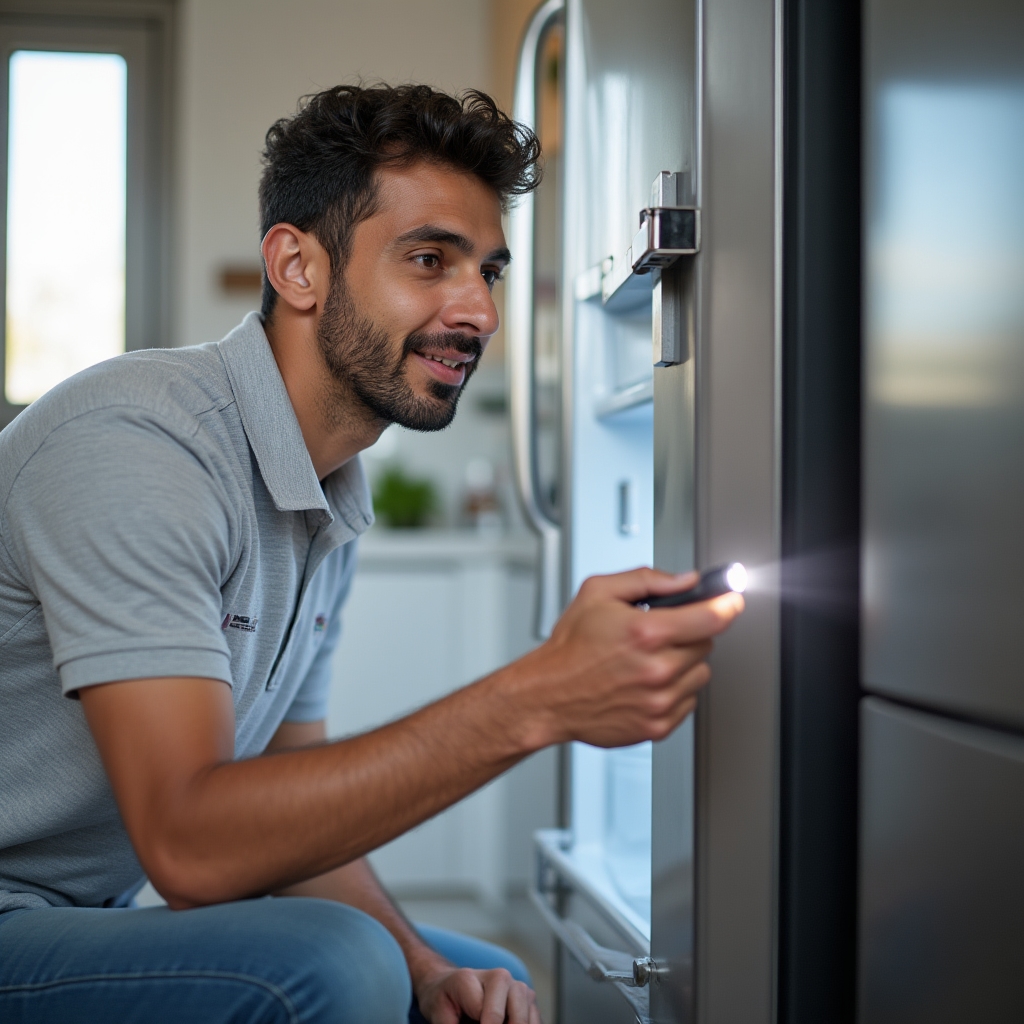
A refrigerator that stops cooling could involve the thermostat, the door seal, the compressor, or simply airflow blocked by items stored too close to the vents. That is why a physical inspection tends to give a more reliable answer than a description over the phone, and why our visits include a proper diagnostic step rather than skipping straight to a quote.
If something on this page matches what you are noticing, it can help to mention it when you get in touch, along with how long it has been happening and whether it is constant or occasional. That detail helps the technician arrive prepared.